Friday, November 9, 2018

Slumdog Milionaire: Breakthrough in Muscular Dystrophy

Inspired by the book, 'Loveleen Tandan', director Danny Boyle produced the oscar-winning film we now know of as 'Slumdog Millionaire'. The story centers on a Mumbai teen who enters India's version of 'Who Wants to Be a Millionaire' and the moments in his upbringing in the slums of India which helped him become the first winner of a billion rupees. When this happens he is then accused of cheating because how is it possible for someone like Jamal to know the answers to such questions? Jamal Malik is dragged for a brutal questioning before he can answer his final question to win a million dollars. Thus he is promptly arrested, abused, and thoroughly investigated.
INTRODUCTION:
Duchenne muscular dystrophy (DMD) was first described by the French neurologist Guillaume Benjamin Amand Duchenne in the 1860s, but until the 1980s, little was known about the cause of any kind of muscular dystrophy. In 1986, MDA-supported researchers identified a particular gene on the X chromosome that, when flawed (or mutated), leads to DMD. In 1987, the protein associated with this gene was identified and named dystrophin. Lack of the dystrophin protein in muscle cells causes them to be fragile and easily damaged.DMD has an X-linked recessive inheritance pattern and is passed on by the mother, who is referred to as acarrier. [A] 

Muscular dystrophy is a group of diseases that cause progressive weakness and loss of muscle mass. In muscular dystrophy, abnormal genes (mutations) interfere with the production of proteins needed to form healthy muscle. Various forms of muscular dystrophy exist. Symptoms typically appear during childhood and mostly in boys. Although there is no cure, medications and therapy treatments help manage symptoms and slow down the progression of the disease. The main sign of muscular dystrophy is progressive muscle weakness. Specific signs and symptoms begin at different ages and in different muscle groups, depending on the type of muscular dystrophy. [A]
Duchenne muscular dystrophy is the most common form of muscular dystrophy. Although girls can be carriers and mildly affected, it's much more common in boys. About one-third of boys with Duchenne muscular dystrophy (DMD) don't have a family history of the disease, possibly because the gene involved may be subject to sudden abnormal change (spontaneous mutation). Symptoms include Frequent falls, Difficulty rising from a lying or sitting up position, Trouble running and jumping, Waddling gait, Walking on the toes, Large calf muscles, Muscle pain and stiffness, and Learning disabilities.[A]
 
Some of the many forms of Muscular Dystrophy include Myotonic (or 'Steinert's Disease' which is characterized by the inability to relax muscles at will following contractions. Myotonic Muscular Dystrophy is the most common form of adult-onset MD. Muscles in the face and neck are affected first.), Facioscapulohumeral ("FSHD" muscles in face and shoulders weaken), Congenital (affects both boys and girls. It is apparent at birth or before two years of age. other sub-forms progress slowly and cause mild disability verses others which progress rapidly, causing severe impairment), and Limb-Girdle (hip and shoulder muscles affected first. experience difficulty lifting front part of foot causing frequent trips while walking. onset usually begins in childhood or teen years).[A]
BACKGROUND INFORMATION:
Muscular dystrophy (MD) is a group of more than 30 inherited diseases. They all cause muscle weakness and muscle loss. Some forms of MD appear in infancy or childhood. Others may not appear until middle age or later. The different types can vary in whom they affect, which muscles they affect, and what the symptoms are. All forms of MD grow worse as the person's muscles get weaker. Most people with MD eventually lose the ability to walk. There is no cure for muscular dystrophy. Treatments can help with the symptoms and prevent complications. They include physical and speech therapy, orthopedic devices, surgery, and medications. Some people with MD have mild cases that worsen slowly. Others cases are disabling and severe. [B]
For diagnosis purposes physicians will begin with a medical history and physical examination. Next patient may be recommended to take enzyme tests, electromyography, genetic testing, muscle biopsy, heart-monitoring tests, and/or lung-monitoring tests. Damaged muscles release enzymes, such as creatine kinase (CK), into your blood. In a person who hasn't had a traumatic injury, high blood levels of CK suggest a muscle disease — such as muscular dystrophy. This is why enzyme tests are recommended by physicians.[B]

With electromyography an electrode needle is inserted into the muscle to be tested. Electrical activity is measured as you relax and as you gently tighten the muscle. Changes in the pattern of electrical activity can confirm a muscle disease. Genetic testing such as blood samples check for possible mutations in some genes that cause different types of Muscular Dystrophy. Tests in which a small piece of muscle is removed by an incision or a hollow needle is known as muscle biopsy. An analysis of this biopsy of the tissue sample can distinguish muscular dystrophies from other muscle diseases. Lastly, heart-monitoring tests check a patients heart function in particular those with myotonic muscular dystrophy.[B]

Although there is no cure, treatments have been created to help prevent or reduce joint or spinal problems. These treatments help patients remain mobile as long as possible. Treatment options include medications, physical and occupational therapy, and surgical  or other procedures.[B]

Eteplirsen (Exondys 51), the first medication to be approved by the Food and Drug Administration specifically to treat Duchenne muscular dystrophy. It was approved conditionally in 2016 and will continue to be evaluated during an additional two years of use. Although the medication appears safe, it's not clear how effective the drug is. It's definitely not a cure for DMD, but it may increase muscle strength in some people treated with the drug. Eteplirsen acts on specific gene variants that affect approximately one in seven people with DMD. [B]
 
Corticosteroids can strengthen muscles and delay certain types of MD. Prednisone is an example of such corticosteroids. The con to such medications tend to cause weight gain, weakened bones, and increase fracturing risks. Heart medications, such as angiotensin-converting enzyme (ACE) inhibitors or beta blockers, if muscular dystrophy damages the heart. [C]

Then there are the several types of therapy to choose from and available assistive devices which can improve quality of life. Muscular dystrophy can restrict the flexibility and mobility of joints. Limbs often draw inward and become fixed in that position. Range-of-motion exercises can help to keep joints as flexible as possible.[C]

Low-impact aerobic exercise, such as walking and swimming, can help maintain strength, mobility and general health. Some types of strengthening exercises also might be helpful. But it's important to talk to your doctor first because some types of exercise might be harmful. Braces can help keep muscles and tendons stretched and flexible, slowing the progression of contractual. Braces can also aid mobility and function by providing support for weakened muscles.[C] 

Mobility aids such as canes, walkers and wheelchairs can help maintain mobility and independence. As respiratory muscles weaken, a sleep apnea device may help improve oxygen delivery during the night. Some people with severe muscular dystrophy may need to use a machine that forces air in and out of their lungs (ventilator). Surgery may be needed to correct a spinal curvature that could eventually make breathing more difficult.[C]


RESEARCH: 

A recent landmark study has successfully treated muscle wasting in large mammals. These results have given both doctors and patients hope in a new treatment for muscular dystrophy (most common genetic condition in children that is ultimately fatal). Researchers from this particular study were able to mend mutations which is also cause the very same disease in dogs. Before the procedure is secured as safe and effective for human patients much more work is needed in future animal studies. They believe that a clinical trial involving patients with Duchenne muscular dystrophy could be launched within a few years.[D] 

Researchers led by Eric Olson at the University of Texas Southwestern Medical Center used a powerful but experimental gene-editing procedure known as Crispr-Cas9 to correct mutations in the dystrophin gene in four one-month-old dogs. The therapy uses harmless viruses to smuggle the gene-editing molecules into cells. Once inside, they home in on the mutated gene and cut it, causing the cell’s natural repair system to swing into action.[D]

CONCLUSION:

The scientists went on to assess how well the procedure worked if it was delivered by an infusion into the bloodstream instead of directly into muscles. This time, two beagles were infused with either a high or low dose of the Crispr gene editing molecules. Their muscle tissue was examined eight weeks later.[D]

Researchers describe how the infusions had a variable effect on the dogs’ muscles. In skeletal muscles, dystrophin was boosted by as little as 3% to as much as 90% of normal levels. In crucial diaphragm and heart muscles, dystrophin levels rose to 58% and 92% of normal levels respectively. Discovering that intravenous delivery of the virus resulted in significant restoration of dystrophin in the heart and diaphragm muscles, which are important in this disease.[D]

The scientists now plan extensive studies to assess the impact of the treatment on dogs. Those will reveal whether correcting the faulty genes actually improves the animals’ muscles and whether any benefits last. Because the study was small and run over a short time, it is impossible to know how effective the approach might be at alleviating the disease in humans.

This specific procedure is extremely promising based on our preliminary findings, but more work is needed to ensure safety and to determine long term durability of dystrophin expression. How soon it can be tested in humans depends on the results of forthcoming long term studies in dogs that will carefully assess the efficacy and safety of the procedure.

If everything were to continue smoothly, we might be able to anticipate moving into a human trial in a few years, but caution is paramount. Observing these advances in gene editing for Duchenne Muscular Dystrophy is very exciting, but limits to this study are real too.
The sample size was small and the study duration too short to know whether the gene editing was safe and effective. Although it seems to have largely boosted dystrophin production, which is key to tackling this condition, the team weren’t looking to record improvements in function. The next step will be to conduct larger, longer-term studies to see if the gene-editing approach does help to slow the progression of the condition and improve muscle strength. This won’t be a cure, but that shouldn’t obscure that this is a key step forward in proving the Crispr-Cas9 technology could work for Duchenne.[D]

LINKS:
[A] https://www.mayoclinic.org/diseases-conditions/muscular-dystrophy/symptoms-causes/syc-20375388
[B] https://medlineplus.gov/musculardystrophy.html
[C] https://www.mda.org/disease/duchenne-muscular-dystrophy
[D] https://www.theguardian.com/science/2018/aug/30/doctors-hail-breakthrough-in-muscular-dystrophy-treatment
[E]  https://screenmusings.org/movie/blu-ray/Slumdog-Millionaire/index_4.htm

*Please note! These images are not mine. They were found on various tumblr, pinterest, google image sites! If any are yours’ please let me know so that I can give you credit for them! Also the people in the images have no relation to the diseases, illnesses, or cancers I write about. Thanks so much & enjoy~

Tuesday, October 9, 2018

MICHAEL JACKSON

 
"Human knowledge consists not only of libraries of parchment and ink... it is also comprised of the volumes of knowledge that are written on the human heart, chiseled on the human soul, and engraved on the human psyche," Michael Jackson.


(Michael Joseph Jackson was an American singer, songwriter and dancer. Dubbed the "King of Pop", he is regarded as one of the most significant cultural icons of the 20th century and is also regarded as one of the greatest entertainers of all time; August 29, 1958 - June 25, 2009).

ELISABETH MOSS


"We no longer live in the blank white spaces at the edge of print. We no longer live in the gaps between the stories. We are the story in print and we are writing the story ourselves," Elisabeth Moss.


(Elisabeth Moss is an American actress. She is best known for the AMC series 'Mad Men' (2007-2015), Hulu series 'The Handmaid's Tale' (2017) and the film 'The One I Love' (2014) ;July 24, 1982 - Present).

Monday, October 8, 2018

You Know It's Wes Anderson IF...


BERTOLT BRECHT

"The worst illiterate is the political illiterate. He hears nothing, sees nothing, takes no part in political life. He doesn't seem to know that the cost of living, the price of beans, of flour, of rent, of medicines all depend on political decisions. He even prides himself on his political ignorance, sticks out his chest and says he hates politics. He doesn't know, the imbecile, that from his political non-participation comes the prostitute, the abandoned child, the robber, and...worst of all, corrupt officials," Bertolt Brecht. 


(Eugen Berthold Friedrich Brecht, known professionally as Bertolt Brecht, was a German theatre practitioner, playwright, and poet. Living in Munich during the Weimar Republic, he had his first successes with theatre plays, whose themes were often influenced by his Marxist thought; Feb. 10, 1898- Aug. 14, 1956).

BARACK OBAMA

  "Hope... is not blind optimism. It's not ignoring the enormity of the task ahead or the roadblocks that stand in our path. It's not sitting on the sidelines or shirking from a fight.

Hope is that thing inside of us that insists, despite all evidence to the contrary, that something better awaits us if we have the courage to reach for it, and to work for it, and to fight for it.

Hope is the belief that destiny will not be written for us, but by us, by the men and women who are not content to settle for the world as it is, who have the courage to remake the world as it should be," Barack Obama.


(Barack Hussein Obama II is an American politician who served as the 44th President of the United States from January 20, 2009, to January 20, 2017. A member of the Democratic Party, he was the first African American to be elected to the presidency and previously served as a US Senator from Illinois; Aug. 4, 1961- Present).

Sunday, October 7, 2018

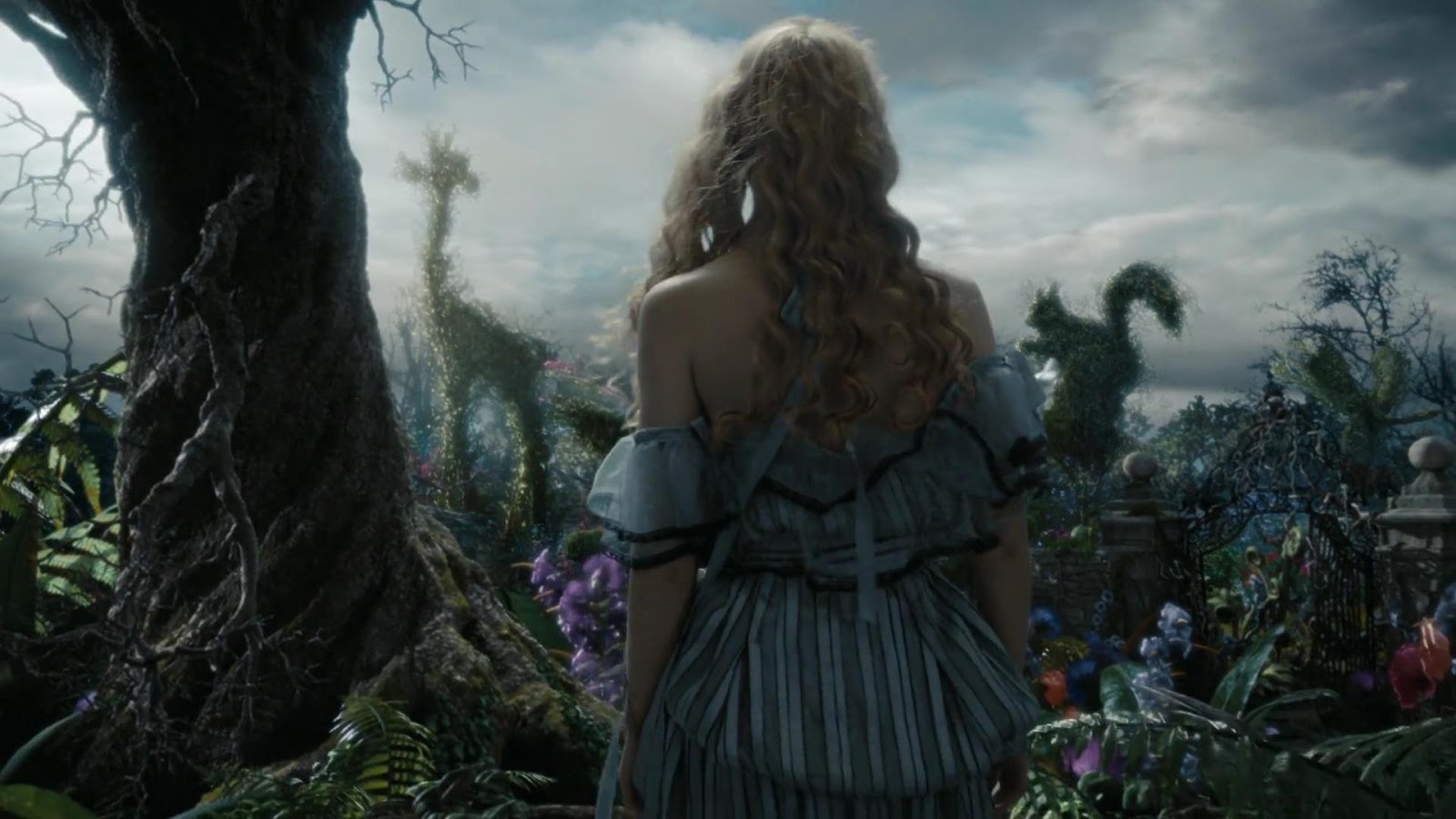
Alice in Wonderland: Cancer Myths

Alice, a down to earth 19-year-old, has been betrothed to an English nobleman. The story begins at her extravagant engagement party where we see her escape the party to consider her future as well as her marriage to the nobleman. In doing so she spots a white rabbit in the gardens, chases him, and falls down a rabbit hole. She finds herself in 'Underland' which resembles her childhood nightmares with talking animals, the villainous red queen, among others. Alice comes to the realization that she is destined to conquer the Jabberwocky and restore the rightful white queen to the throne.
INTRODUCTION:
The number of Americans dying from cancer since the 1990s has been declining steadily. Currently, for all existing cancers the survival rate for the next 5 years is at 67 percent. The probability that cancer will become a patients' death sentence depends on various factors. These factors include cancer growth, how much cancer has spread, which effective treatments available, individuals’ overall health, and others.
BACKGROUND INFORMATION:
The most common cancer type found in women is breast cancer whereas for men it is prostate cancer. Both lung cancer and colorectal cancer affect both men and women at similarly high numbers. Cancer can form in any location in the human body. Cancer is the uncontrolled growth of abnormal cells in the body. Cancer develops when the body's normal control mechanism stops working. Old cells do not die and instead grow out of control, forming new, abnormal cells. These extra cells may form a mass of tissue, called a tumor. Certain cancers for example, Leukemia, does not form tumors. [B]
 
There are 5 forms of cancer that exist. Cancer that originates in the skin or tissues that line internal organs is known as Carcinomas. Those that develop in ones’ bones, cartilage, fat, muscle, or other connective tissues in the body are called Sarcomas. Leukemia begins in the bone marrow and blood. Finally, cancers concerning the central nervous system (aka: CNS) originate in the brain and spinal cord. Thus, deciding on proper and effective treatment options depend on which cancer type, stage of cancer, whether the cancer has spread, and patients’ general health status. The goal with specified treatments is to terminate as many cancerous cells possible while reducing damage to nearby healthy cells. [B]
The 3 main treatment options include surgery where the physician directly removes the tumor, chemotherapy where chemicals are used to kill cancerous cells, and radiation therapy where X-rays are applied to terminate cancer cells found in the body. Although two patients may develop the same form of cancer, each patients’ cancer differs drastically from another. [B]
 
Within a single type of cancer, such as breast cancer, researchers are discovering sub-types that each requires a different treatment approach. Unfortunately, these treatments do come with a broad range of side effects and patients typically need extra maintenance for their overall well-being. Factors such as pain, fatigue, depression, and other side effects of cancer treatments demand a greater focus other than just the disease itself. [B]
Nutrition therapy, Naturopathic medicine, and Oncology Rehabilitation are all examples of the types of supportive care services that are available to cancer patients. Nutrition therapy aids in the prevention of malnutrition and reduces side effects. Naturopathic medicine takes natural remedies and boosts patients’ energy while also minimizing side effects. Oncology rehabilitation to rebuild strength and overcome some of the physical effects of treatment. Medicine focused on the ‘Mind-Body’ tends to improve the emotional well-being through counseling, stress management techniques, and support groups. [B] 
 
The future of cancer treatment lies in providing patients with an even greater level of personalization. Doctors are beginning to offer treatment options based on the genetic changes occurring in a specific tumor. An innovative new diagnostic tool, the genomic tumor assessment, examines a patient’s tumor genetically to identify the mechanism that caused cancer. Genomic tumor assessment may result in a more personalized approach to cancer treatment. [B]

The most common misconceptions of where or how cancer originates tends to make sense especially when based on old theories are typically scientifically wrong. This can erroneously lead to mass anxiety and worry, hinder proper cancer prevention and effective treatment decisions. These ideas are spread by self-made wellness specialists who claim that cancer is a man-made disease, inflicting fear in people that this disease is a direct result of modern life elements. [A]


Popular ideas of the ways that cancer originate, and spread can make a lot of sense, especially when they are based on older theories. These ideas on cancer are scientifically wrong and can lead to unnecessary worry, hinder good prevention, and treatment decisions. Here are the most common cancer misconceptions. [A]
DEODORANTS:
Currently, there is no evidence that links chemicals in antiperspirants and deodorants with alterations in breast tissue.
MOBILE PHONES & WIFI:
When the body's DNA is damaged and sending normal healthy-cell-replication processes askew, 'Ionizing Radiation' (like X-Rays, Radiotherapy) carry a large amount of energy far beyond the capabilities of mobile phones. Wifi transmits even less energy than a mobile phone (aka: cell phones). 
 
The majority of cell phones are used by people worldwide and there are some who claim that these devices cause serious health risks such as cancer. In 1992 only a few people used mobile phones until 2008 when phones were available worldwide and the number of people who developed brain tumor barely changed. Between the years 2000 until 2016, WHO (world Health Organization) conducted an 'Interphone Study' that included thousands of people across 13 countries.
 
They discovered that mobile phones did not increase an individuals' chance of getting a brain tumor. Thus, the relationship between RF (radio-frequency) radiation in cell phones and cancer is weak to non-existent. The best studies completed so far have stated that cell phones do not cause cancer. Cancer is caused by genetic mutations, and cell phones emit a type of low-frequency energy that does not damage genes.
SUGAR:
Research has revealed that cancer cells consume more sugar (glucose) than normal healthy cells. However, no studies express that eating sugar will make cancer worse or cause it. In addition, not eating sugar will make cancer shrink or disappear is a common misconception. A high sugar diet can contribute to gain excess weight and obesity, on the other hand, is associated with increased risk of developing cancer.
ARTIFICIAL SWEETENERS:
When researches conducted studies of artificial sweeteners and their safety, no evidence was found that would cause cancer in humans. The artificial sweeteners (aka: ‘sugar substitutes’), Sweet ‘N Low (aka: ‘saccharin’), Equal or NutraSweet (aka: ‘cyclamate; aspartame’), Sweet One (aka: ‘acesulfame potassium), and Splenda (aka: ‘sucralose’). Except for ‘cyclamate’, these artificial sugars have been approved by the FDA in the US.
HEREDITARY:
Cancer is caused by harmful changes (mutations) in genes. Harmful mutations inherited by parents is merely a 5 to 10 percent risk. Instances where multiple family members develop the same type of cancer with an inherited cancer-causing mutation are known as “familial” or “hereditary” cancers. The remaining 90 to 95 percent of cancers are caused by mutations that happen during a person’s lifetime as a natural result, called “non-hereditary” or “spontaneous” cancers.
FAMILY RELATED:
Roughly 38% of men and women will be diagnosed with cancer at some point in their lives. Majority of cancers are caused by genetic changes that occur throughout an individual’s life. It is typically a natural result of aging and exposure to environmental factors (ex: tobacco, smoke, and radiation). The type of foods consumed, the amount eaten, and frequency of exercise can influence the risk of developing cancer.
AIR EXPOSURE:
Exposure to air will not make tumors grow faster or cause cancer to spread to other parts of the body.
ATTITUDES:
Currently, there is no existing scientific evidence that one’s attitude is linked to the development of cancer or dying from it. Being diagnosed with cancer, it is completely normal to feel sad, angry, or discouraged and other times be upbeat and happy. Individuals’ with a positive attitude may be more likely to maintain social connections, stay active, physical activity, and reaching out for emotional support can help cancer patients cope better.
 
POWER LINES:
According to most recent studies, the electric energy emitted by power lines is easily shielded or weakened by walls and other objects. Power lines emit both electric and magnetic energy. The magnetic energy emitted by power lines is a low-frequency form of radiation that does not damage genes.
ORGANIC FARMING:
The belief that organic food has 'anti-cancer' properties is popular. However according to the 'World Cancer Research Fund', led by Michelle McCully, was one of the largest leading authorities on a diet and its correlation to cancer. But no strong evidence exists to provide support the myth that organic foods offer added protection from cancer (compared to conventionally grown produce).
 
HERBAL PRODUCTS:
Some studies may suggest that alternative therapies (certain herbs) can help patients cope with the side effects of cancer treatment. But, scientifically speaking, no herbal products have been shown to be effective for treating cancer. Some herbal products may even be harmful during radiation therapy or chemotherapy as they can interfere with how effectively these treatments work.
SURGERY:
The risk of cancer spreading to other regions of the body during surgery is miniscule. Following standard procedures, surgeons use special methods and take many steps to prevent cancer cells from spreading during biopsies or surgery to remove tumors.
 
CHEMICALS & POLLUTION:
Everything people breathe is a chemical. We are protected from exposure to industrial chemicals that would harm our health thanks to EU regulations. However, there is a minor risk of lung cancer associated with air pollution. Other chemical myths on cancer risks are using plastic bottles and deodorant.
CONTAGIOUS:
Cancer is not a contagious disease, spreading easily from one person to another. The only way that cancer can spread like that is from having an organ or tissue transplant. (A person who receives an organ or tissue from a donor who had cancer in the past may be at increased risk of developing a transplant-related cancer in the future). 

This risk is extremely low, every 2 out of 10,000 organ transplant cases. Doctors avoid the use of organs or tissue from donors who have a history of cancer. Some individuals have cancers caused by viruses (aka: ‘form of human papillomavirus’, or ‘HPV’) and bacteria (aka: ‘Helicobacter pylori’). While a virus or bacterium can spread from person to person, these cancers cannot spread from person to person.
THE TRUTH:
The best thing people can do is to stop smoking, maintain a healthy weight, and avoiding excess sun exposure. Cancer is becoming more and more common because it is a disease of old age. many people have cancer who in earlier times would have died much younger. However, some aspects of our modern lifestyles do increase our chances of getting cancer.
LINKS:
(A) https://www.cancer.gov/about-cancer/causes-prevention/risk/myths
(B) https://www.cancercenter.com/what-is-cancer/
(C) https://animationscreencaps.com/alice-wonderland-2010/35
(D) https://www.gaurdian.com/cancermyths

 *Please note! These images are not mine. They were found on various tumblr, pinterest, google image sites! If any are yours’ please let me know so that I can give you credit for them! Also the people in the images have no relation to the diseases, illnesses, or cancers I write about. Thanks so much & enjoy~